
Costa Rica
The Agricultural Worker: What Every Ranch and Farm Owner Should Know
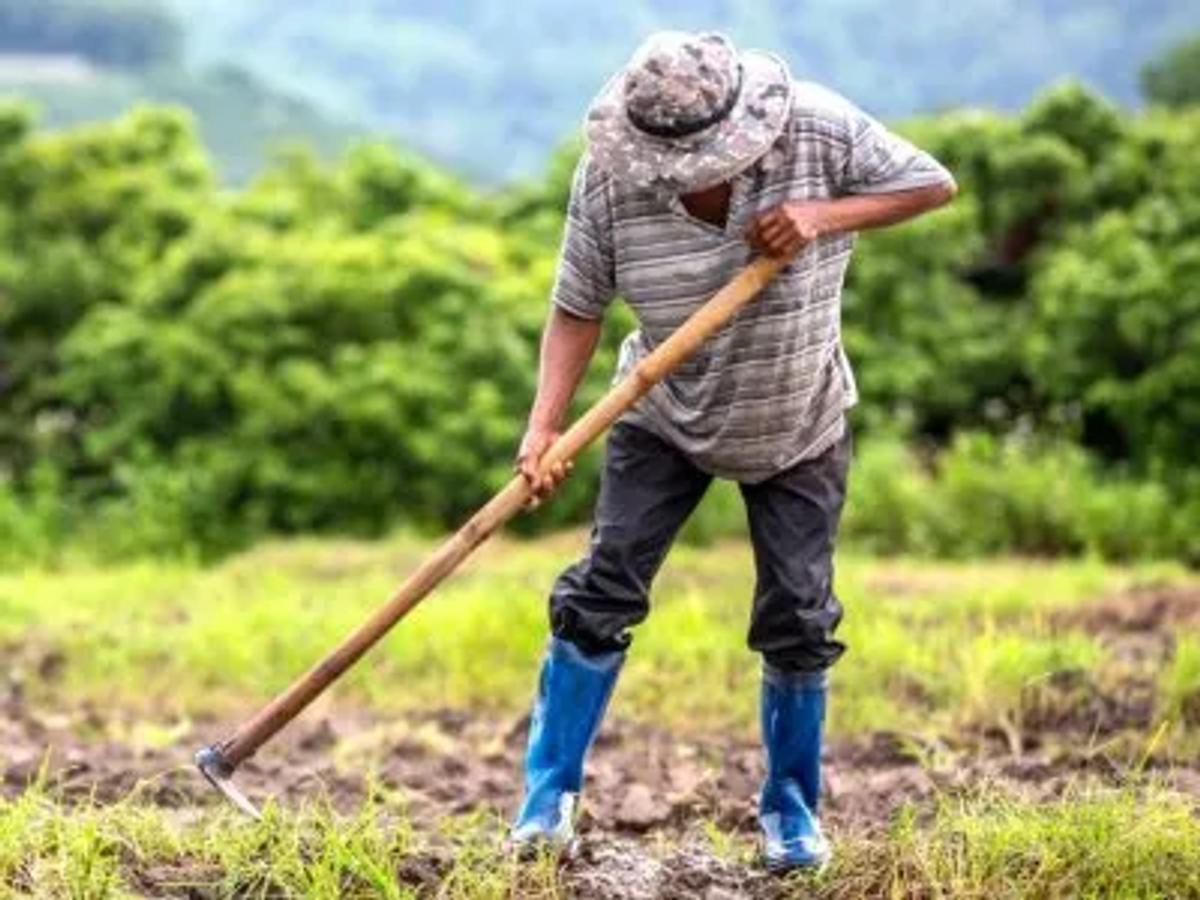
Behind every productive acre and every successful day in the field beats the daily effort of the agricultural worker, a figure who transcends simple labor to become the fundamental pillar of rural development. Their importance in the development of agricultural activity is indisputable; without their resilience against the elements and their deep commitment to the land, food security and the supply chains of nations would completely collapse, compelling any property owner to fully value their comprehensive role.
The Human Profile and Field Tasks
The Multiple Facets of the Rural Worker
The Dynamism of Daily Agricultural Labor
The profile of today's rural collaborator demands a unique combination of physical endurance, a sharp capacity for observing pests or livestock, and a remarkable technical adaptability. Their daily tasks range from soil preparation, planting, and harvesting in the agricultural sector to herding, milking, and infrastructure maintenance in the livestock sector, demonstrating a versatile skill set that keeps the entire commercial operation functional.
The Labor and Legal Framework on the Farm
Legal Obligations and Decent Treatment
Basic Guarantees for Employee Retention
For a property to be sustainable, the farm owner must responsibly manage the labor and legal framework of their employees, strictly guaranteeing compliance with minimum wages and standard working hours. Likewise, it is an unrenounceable obligation to register personnel under occupational hazard insurance, provide proper personal protective equipment, and offer decent housing with essential services—critical factors that prevent legal issues and drastically reduce turnover.
Identity, Education, and the Future of Agribusiness
The Guardian of Tradition and Innovation
Training and Professionalization of the Sector
The agricultural worker is also the guardian of a rich rural culture and identity, holding an empirical wisdom regarding natural cycles that today must be complemented with formal education. The current challenge for landowners lies in investing in specialized technical training and digital literacy, enabling workers to adopt new technologies applied to farming, which ultimately dignifies their labor and multiplies the farm's overall profitability.
In conclusion, understanding the comprehensive value of the agricultural worker is not merely a matter of empathy, but a key strategy for business continuity and the socioeconomic development of the country. By securing a formalized, safe, and educationally enriched environment, the farm owner not only protects their investment but also honors the immense contribution of those who transform their hard work into society's sustenance.